


Choosing the Perfect Lot for Your New Home: Key Factors to Consider
- Brittany Hooper

- Nov 25, 2025
- 3 min read
Finding the right lot is one of the most important steps when building a new home. The lot you choose affects your budget, the design of your house, and how comfortable your living space will be. Many homebuyers focus on the house itself but overlook how the land can shape their entire experience. This guide will help you understand what to look for in a lot, especially considering factors like tree clearing, land slope, and foundation type.
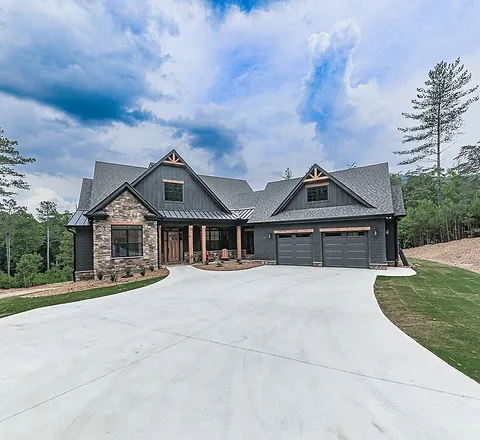



Consider the Cost of Clearing Trees
One of the first things to check when selecting a lot is how much tree clearing will be required. Clearing trees can add significant costs to your project. The more trees you need to remove, the higher your expenses for labor, equipment, and disposal.
Minimal tree clearing saves money: A lot with fewer trees or already cleared land reduces upfront costs.
Preserving trees adds value: Mature trees provide shade, privacy, and beauty, which can increase your home's appeal.
Check local regulations: Some areas have rules about removing trees, which might limit what you can clear.
For example, a lot with dense forest might require thousands of dollars in clearing fees, while a mostly open lot could save you that money and time. If you want to keep costs down, look for lots that need less clearing.
Understand How Land Slope Affects Your Home Design
The slope of the land plays a big role in the type of foundation you can build and the overall cost.
Flat Lots Work Best for Slab Homes
If you plan to build a slab foundation, a flat lot is ideal. A slab home sits directly on a concrete slab poured at ground level. Flat land means:
Easier and cheaper foundation work
Less grading and soil movement
Simpler drainage management
Flat lots reduce the risk of water pooling near your home, which can cause damage over time.
Slightly Sloped Lots Are Good for Basement Homes
If you want a basement, a lot with a gentle slope is better. A slope allows you to build a walk-out basement, which has doors and windows opening to the outside. This adds living space and natural light to your basement.
A slope of about 5 to 15 degrees is usually enough for a walk-out basement.
Steeper slopes may require more excavation and retaining walls, increasing costs.
Proper drainage is critical on sloped lots to avoid water problems.
Check Soil Quality and Drainage
Soil type affects how stable your foundation will be and how water drains from your lot.
Clay soils can hold water and cause foundation shifting.
Sandy soils drain well but may need extra support.
Rocky soils can be expensive to dig but provide a solid base.
Good drainage is essential to prevent water damage. Look for signs of standing water or soggy areas after rain. You might need to invest in drainage solutions if the lot does not drain naturally.
Think About Access and Utilities
Easy access to roads and utilities like water, electricity, and sewer lines can save you money and hassle.
Check if utilities are already connected or nearby.
Remote lots may require wells, septic systems, or power lines, which add to your budget. Check to see if your lot will require a septic system or a well. These can significantly add to your total cost.
Consider the Neighborhood and Surroundings
The lot’s location affects your lifestyle and future home value.
Consider if you would like a remote or busier area.
Consider the elevation of the area. Do you like to have walking areas or a flat yard?
Homes with a mountain or water view are great for resale.
Plan for Future Growth and Landscaping
Think about how you want to use your outdoor space.
Flat lots are easier to landscape and build patios or pools.
Sloped lots may require terraces or retaining walls.
Planning ahead helps you make the most of your lot.
Summary
Choosing the perfect lot for your new home involves several crucial factors that can significantly impact your living experience and cost. By carefully assessing these elements listed above, you can select a lot that aligns with your vision for your new home. We hope this post has given you some helpful insight into how to find the perfect lot for you. Happy hunting!


Comments